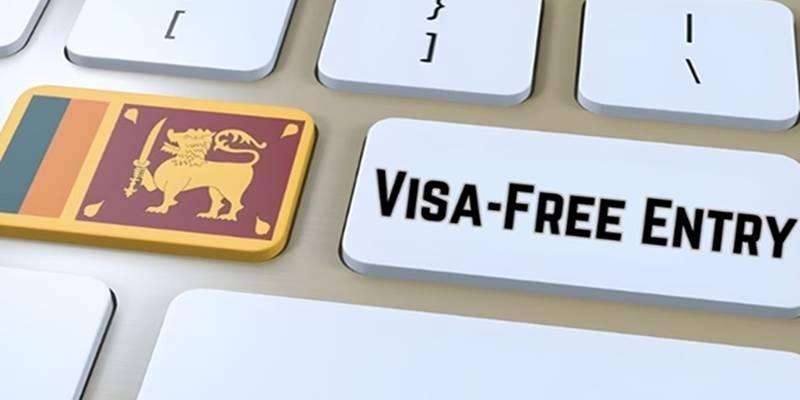
Sri Lanka, a lively island country in South Asia, has officially opened its doors to more people by letting people from 40 countries visit without a visa. This change in policy is part of a plan to increase tourism and bring in more foreign visitors by making it easier and cheaper to visit the country. The latest move by Sri Lanka is good news for people who want to go on vacation to a warm place with fewer rules and regulations.
The new policy allows citizens of 40 selected countries to enter Sri Lanka without needing to apply for a visa or pay any entry fee. This adjustment is designed to stimulate tourism, enhance cultural exchange, and support the island’s economy by making it easier for people to visit its diverse and scenic destinations.
Who Benefits from Visa-Free Access?
The list includes travelers from regions such as Europe, the Middle East, East Asia, and Oceania. Among the included nations are the United Kingdom, Germany, France, Australia, Japan, China, and several other high-travel-volume countries. It means millions of potential travelers can now explore Sri Lanka without spending time or money on visa applications.
Previously, travelers from these nations were required to apply online for an Electronic Travel Authorization (ETA) and pay a fee, typically around $50 for a 30-day stay. While the cost was not excessively high, removing it altogether makes travel more accessible and attractive, especially for short-term or budget-conscious visitors.
A Strategic Move to Boost Tourism
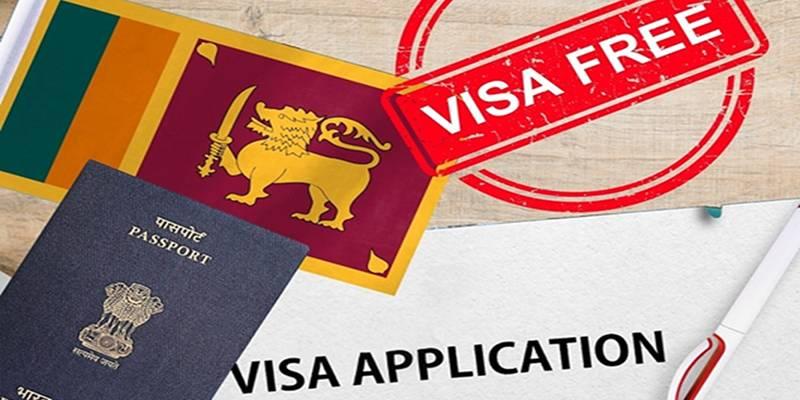
This change in visa policy reflects Sri Lanka’s commitment to reviving and expanding its tourism sector. In 2024 alone, over two million international visitors arrived in the country, according to data from the Sri Lanka Tourism Development Authority. By removing visa requirements for 40 countries, the country aims to surpass these numbers and establish Sri Lanka as a more competitive travel destination in the region.
Tourism remains one of Sri Lanka’s most vital economic pillars. It supports thousands of jobs and contributes significantly to the national income. By offering visa-free access, the country not only boosts arrivals but also encourages longer stays and higher in-country spending. From local homestays to boutique hotels and coastal resorts, a broad segment of the economy stands to benefit.
What Travelers Can Expect?
Travelers eligible for visa-free entry will be able to stay in Sri Lanka for up to 30 days without applying for a visa in advance or paying any visa-related fees. All that’s required is a valid passport, with some basic entry checks on arrival. Visitors may still need to present a return ticket or proof of accommodation, depending on immigration requirements, but there are no additional costs or online forms to fill out beforehand.
This streamlined entry process will likely appeal to a wide range of tourists, including solo travelers, families, digital nomads, and retirees. It also makes Sri Lanka a strong contender for last-minute travel decisions, as there's no waiting time for entry authorization.
Additionally, the simplified process enhances overall travel satisfaction by reducing pre-trip stress and planning time. It positions Sri Lanka as a hassle-free destination in an increasingly competitive global tourism market.
Travel Experience and Attractions
Sri Lanka is widely recognized as one of the most beautiful and accessible destinations in South Asia. Its appeal spans across landscapes and lifestyles—from peaceful mountain villages to dynamic beach towns and modern urban centers. The country’s compact size allows travelers to experience a wide range of environments within a relatively short timeframe.
The island offers pristine beaches, dense rainforests, scenic train rides, tea plantations, rich wildlife, and flavorful cuisine. Adventure seekers can explore national parks or go whale-watching, while those looking for relaxation can unwind in one of the many beach resorts dotted along the coastline.
Culinary enthusiasts are equally drawn to Sri Lanka’s vibrant food scene. Street food hubs like Galle Face Green and bustling markets in Colombo provide a full spectrum of local flavors—from spiced seafood dishes to tropical fruit specialties.
Timing and Duration of the Policy
The visa-free access program is currently set to run for an initial trial period. While the exact duration has not been permanently fixed, the country has indicated that the policy may be reviewed based on its effectiveness in driving tourism numbers and supporting the local economy.
Officials have emphasized that this pilot phase will help determine whether the program should be expanded, adjusted, or extended. Feedback from the hospitality industry and incoming visitor data will likely shape the future of the policy.
This trial approach allows the country to remain flexible and responsive to both global travel trends and domestic economic needs. By closely monitoring the program’s outcomes, authorities can make informed decisions that balance national interests with traveler convenience. If successful, the visa-free policy could become a permanent fixture, potentially expanding to include more countries in the future.
Potential Long-Term Impact
Beyond immediate tourism gains, Sri Lanka’s visa-free initiative could have broader implications for its position in global travel rankings. By making itself more accessible, the country strengthens its brand as a travel-friendly destination. This accessibility can increase international interest, encourage repeat visits, and attract new partnerships with airlines and travel service providers.
In the long term, such policies also contribute to building stronger diplomatic and economic ties with participating countries. Travel facilitates cultural understanding, international investment, and educational exchange—all of which play a role in a country's global integration and soft power.
Conclusion
Sri Lanka’s decision to grant visa-free access to 40 countries marks a progressive shift toward a more open, tourist-friendly travel policy. The removal of visa fees and paperwork enhances convenience for millions of potential visitors and helps position the island as one of the easiest South Asian destinations to visit.
The policy serves multiple purposes: it promotes economic growth, builds international relationships, and aligns with global tourism trends that prioritize ease of entry. For travelers, it presents an opportunity to explore a diverse and enriching destination with fewer logistical challenges.