St. Olav is among the numerous pilgrimages that many people enjoy taking in Norway. Passing beautiful landscapes, beautiful towns, the old monuments of certain times, this way traces the footway to Saint Olav, who was the patroness of Norway. Do you desire soul-touching or a trip of a lifetime that you will have never forgotten, then you will find whatever you need as far as planning and accomplishing your excellent trip is concerned.
Who Was St. Olav?
Before going out on the guide, it is good to be familiar with the man behind the trail. Between 1015 and 1028, a King assumed ownership of Norway and his name was Olav II Haraldsson. Afterwards he returned later in 1030 and removed the throne in order to bring Christianity to his people upon his release after being away. He was killed in the Battle of Stiklestad only to be proclaimed a saint one year later, when his tomb supposedly performed miracles. His shrine at Nidaros Cathedral quickly appeared in the list of those great pilgrimages to see in Northern Europe.
Choosing Your Route
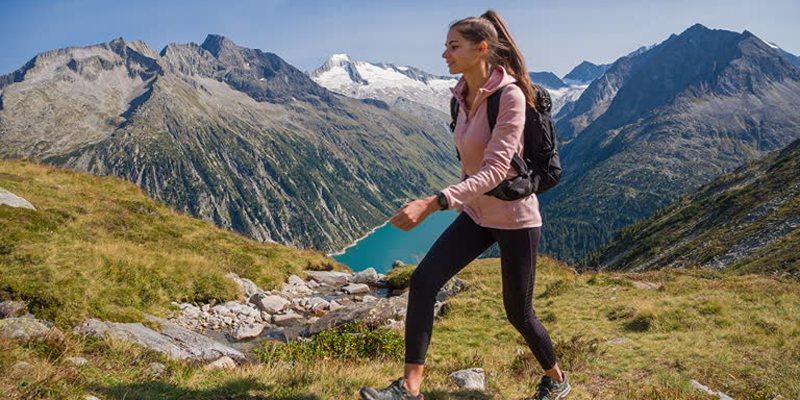
The Way of St. Olav; it is not a route as such, but a system of trails all in Norway, and in Sweden and Denmark as well, with the centre in Trondheim. The Gudbrandsdalen Path is the road best traveled and most marked.
The Gudbrandsdalen Path (Oslo to Trondheim)
It is the original and the most extensive of all the pilgrim roads, and extends about 643 kilometers (400 miles) between Oslo and Trondheim. The normal duration is approximately 32 days, but you can easily take the distance of shorter length.
Key features:
- Diverse Scenery: The route starts in the bustling city of Oslo and leads all the way through the rolling farm country of the south, crosses the plateau of the impressive Dovrefjell Mountain, and enters the Trondelag area.
- Well-Marked Trail: The route is clearly marked with the distinct St. Olav's Way symbol (a red cross within a circle), making navigation straightforward.
- Established Infrastructure: You'll find a good network of pilgrim-friendly accommodations, from simple hostels and farm stays to more comfortable hotels.
Shorter Sections and Alternative Routes
Some people do not have a full month to complete it; in these cases, it makes sense to do less of the route.
- Lillehammer to Trondheim: The journey deals with the dramatic mountain scenery and can be completed in two weeks.
- Stiklestad to Trondheim: A week long shorter route along the last portion of the trail of St. Olav after the place of his last fight.
When to Go
The peak pilgrimage period is Jun-Aug. The weather at this time is ideal and all snow-free mountain passes are accessible as well as most mountain accommodation options are open.
- June: Fill up on the long Nordic summer days as the sun hardly sets. A little snow will remain at higher elevations, which should be expected.
- July & August: July and August are the hottest months and the most tourist-favorite months on the trail. Reservations also help to avoid queues in places of interest and it is prudent to make reservations.
- May and September: It is possible to go walking during shoulder seasons, but the weather will be colder, more likely to bring rain, and some businesses will be out of operation. Even in May, there may be some serious snow in the Dovrefjell mountains.
Accommodation Along the Way
A wide range of accommodation is one of the rare gems on the St. Olav. There are frequently smaller and more personal patterns of accommodation than the big albergues of the Camino.
- Pilgrim Hostels (Herberger): These provide basic, cheap accommodation, usually with joint rooms and stock home-cooked kitchens. The most general type of pilgrim-specific accommodation is through them.
- Farm Stays (Gard): Many farms along the route open their doors to pilgrims, providing a wonderful opportunity to experience Norwegian rural life and hospitality.
- Churches and Parish Halls: Some local parishes offer basic shelter for pilgrims.
- Camping: In Norway, wild camping is legal under allemannsretten (the right to roam), as long as you camp at least 150 meters away from any inhabited house or cabin. It's an excellent choice for budget travelers.
The Pilgrim-Passport of course. It can be purchased in Oslo or it can be ordered online and then picked up during your trip. Not only is it a valuable souvenir, but also your passport to pilgrim facilities and a discount. Churches, hostels and tourist offices across the connection offer stamps that you can pick up on the way.
Daily Life on the Trail
Budgeting
Norway is an expensive country, yet the pilgrimage is not too costly to walk.
- Accommodation: You can come across a bed in a guest pilgrim house at 300-500 NOK, or in the US, 30-50 USD.
- Food: Self-catering is the cheaper alternative. Most hostels have kitchens. Establish budget of 250-400 NOK or about 25-40 USD per day when you do not eat out.
- Total: The realistic day to day budget is approximately 700 -900 NOK or 70-90 USD in a day.
Food and Water
Towns and villages with grocery-stores as often as five days, but do plan ahead, upon crossing the mountains, which have few of such. The most important thing is never leave home without food, or at least one day supply.
Usually drinking the waters of even rapidly running streams in the mountains is safe, but in inner sensitivity always a purification filter or purification tablets should be carried, and mainly at lower altitudes.
What to Pack
Light packing is very important during a long distance walk. The mass of your backpack should be close to or under 10 % of the body weight.
Essential Gear:
- Backpack: 30-40 liters of a comfortable bag pack.
- Footwear: Waterproof hiking footwear with good ankle support that is broken-in.
- Clothing: Layering is key. Pack Merino sheep bottoms, fleece beast coat, waterproof and windproof jacket and trousers.
- Navigation: The trail is well-marked, but it is a good idea to be equipped with a map and compass or a GPS device/app (such as the official St. Olav Way app).
- First-Aid Kit: Include pain relievers, personal medication and blister care.
- Other Items: Sunscreen, a hat, insect repellant, a reusable water bottle and a power bank.
Conclusion
The Way St. Olav is a rich and deep experience that brings both physical exercise and spiritual and cultural fulfillment. It provides a way to relish their solitude which has become progressively elusive today as you can be connected with nature, history, growing up, and yourself. Get adventure, rumination or just a splendid stroll in one of Europe's most amazing nations with this ancient pilgrimage trail.