Trying new skin-care products can feel exciting, but the wrong one can leave you with irritation instead of results. A skin-care patch test is a small yet effective step that helps you avoid rashes, redness, or breakouts before they spread across your face or body. This simple process gives your skin a chance to “speak up” about what works and what doesn’t. By slowing down and testing first, you protect your skin’s health and peace of mind. It’s not about being cautious—it’s about being smart with your self-care routine.
Why a Patch Test Matters?
A patch test is about protecting your skin by introducing a product in a measured way. Labels that promise “gentle” or “hypoallergenic” don’t guarantee safety. Every person’s skin has its own sensitivities, and one product may work beautifully for some but trigger irritation in others. The test is like a preview of what might happen if the product is applied everywhere.
Reactions can show up in different forms: redness, itching, swelling, or small raised bumps. Some happen within minutes, while others take longer to develop, sometimes up to 48 hours. The delay is common with allergic responses, which makes patience during testing so valuable. Without this step, you risk inflaming large areas of skin, which can take weeks to calm down.
In the broader view, patch testing builds confidence. It allows you to use products knowing you’ve lowered the chance of discomfort. Instead of fearing breakouts or unexpected reactions, you can move forward with more assurance that what you’re applying will suit you.
How to Do a Proper Patch Test?
Carrying out a patch test requires very little effort but benefits you greatly. Start by choosing a small but responsive area of skin, such as the inside of your wrist, the crease of your elbow, or behind your ear. These spots are discreet yet sensitive enough to signal possible problems. Clean the chosen area, then apply a pea-sized amount of the product.
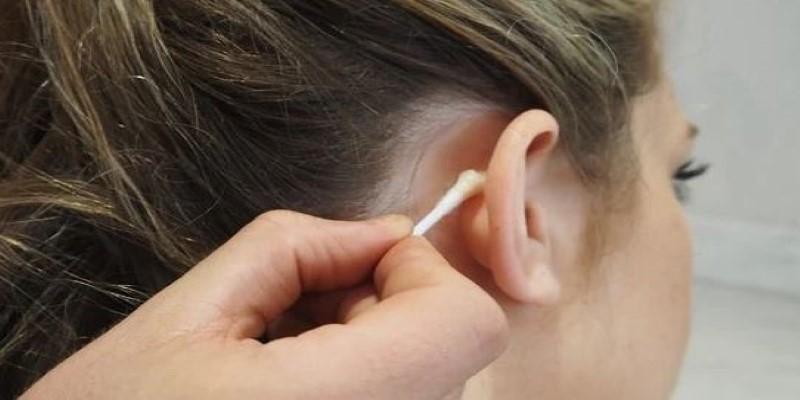
For leave-on products, such as serums, oils, or moisturizers, let the patch sit as directed, mimicking real use. For rinse-off items such as cleansers or masks, follow instructions and wash them off after the recommended time. The key is to apply the product in the same way you plan to use it.
Check the area at different intervals: after one hour, after several hours, and again the next day. A complete patch test typically runs for 48 hours, as delayed reactions are common. If no irritation appears within that time, the product is generally safe for use. Still, keep in mind that changes in health, hormones, or environment can alter how your skin reacts later. Testing doesn’t guarantee permanent tolerance, but it significantly reduces risks.
Patience is essential here. The urge to apply a new product right away is understandable, especially when it promises glowing results. Yet the short waiting period of a patch test helps avoid longer struggles with inflammation or discomfort that can take weeks to treat.
What to Do If You React?
If a reaction shows up—redness, itching, swelling, or discomfort—the safest response is to wash the area gently with lukewarm water and a mild cleanser. Avoid scratching, rubbing, or reapplying the product. Irritation is your body’s warning sign, not something you can “push through.”
For mild reactions, soothing with aloe gel or a fragrance-free moisturizer can help calm the skin. Stronger responses, such as hives, significant swelling, or blistering, may require medical attention. A dermatologist can guide you toward safe alternatives and help identify the specific ingredients behind the reaction.
Keeping track of ingredients is helpful. Many sensitivities are linked to common triggers like fragrances, preservatives, or acids. By noting what caused irritation, you can make better choices the next time you shop for skin care. A failed patch test might feel disappointing, but in truth, it’s a useful step. It shields you from discomfort and brings you closer to finding products that truly work for you.
A patch test isn’t about avoiding skin care but about choosing it more carefully. Reactions help define your limits, and that knowledge leads to a safer, more comfortable routine.
Building a Habit of Testing
In practice, it’s easy to forget about patch testing. The excitement of trying something new often outweighs the thought of waiting. Yet forming the habit saves both time and trouble in the long run. Sensitive skin types benefit the most, but even those who rarely react can develop sensitivities over time. Stress, environmental changes, or age can alter how skin responds to familiar products.
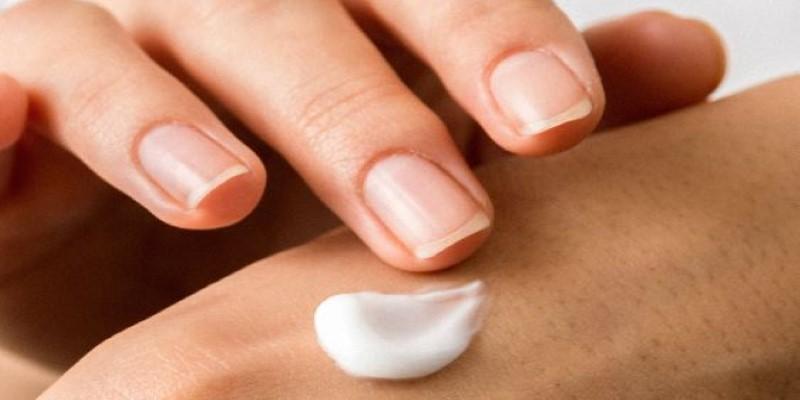
One way to build the habit is to treat testing as part of unboxing. When a new serum or cream arrives, resist the urge to apply it to your face immediately. Instead, test it on your arm or wrist first and observe for two days. Over time, this will feel natural, like scanning ingredients before buying food if you have allergies.
By making patch testing a routine, you create a safe environment for your skin. You’ll feel more secure knowing every item in your skin-care collection has been checked and approved by your own body. This small act of patience ensures that your skin-care journey is smoother and far less stressful.
Conclusion
A skin-care patch test may seem like a pause, but it's an important safeguard against irritation and allergic responses. In just 48 hours, you can protect yourself from weeks of redness, breakouts, or discomfort. The process is simple, inexpensive, and fits naturally into any routine. Whether you have sensitive skin or not, patch testing builds trust in the products you use and confidence in your choices. Healthy skin depends not only on what you apply, but also on how you introduce it. Making patch tests a consistent habit ensures that your skin-care routine supports, rather than harms, your long-term skin health.