The initial heart attack can be quite an eye-opener and most individuals do not understand that the danger does not stop here. When you have one heart attack, you are likely to encounter another unless you take the appropriate measures. This article covers the reasons behind second heart attack, things that you can do to prevent second heart attack, and signs that you should not ignore until it is too late.
Why Do Second Heart Attacks Happen?
Smoking, high cholesterol, obesity, and uncontrolled diabetes are the risk factors that contribute so much to whether a person has another cardiac event. Even in cases whereby the initial heart attack is managed successfully, failure to control these risks provides plaque and clots with an opportunity to accumulate once again.
Damage to the arteries during a first heart attack leaves behind scar tissue and weaker vessel walls. New blockages are more likely to occur in these vulnerable areas and this means that another attack is likely in the coming months or years.
The Role of Medical Care
The recommendations of your doctor and the treatments he prescribes are very crucial to your heart protection after the initial attack. Medical care is not about pills, it is about long term plans to increase survival and quality of life.
Importance of Follow-Ups
Regular follow-ups will enable the provider to monitor your progress, make a change in medicine dosage, and identify early warning signs. Even minor malfunctions like varying blood pressure can be a sign of larger problems should they not be resolved swiftly.
Medication Management
Medications such as beta-blockers, statins and thinners all are used to ensure that the arteries are clear and that the heart is not overstrained. Not taking them or taking them irregularly can lead to more clotting and blocked arteries.
Lifestyle Choices That Protect Your Heart
Your everyday lifestyle influences your health even more so, than you may believe. Though medication offers a sense of stability, lifestyle changes offer protection on a long-term basis. The good news is, however, that small steps lead to healthier and stronger heart.
Eating for a Stronger Heart
A healthy, balanced diet consisting of whole grains, fruits, vegetables, low-fat protein, and healthy fats will decrease cholesterol levels and promote better artery health. Processed foods and too much salt add a big difference in reducing blood pressure.
Exercise and Activity
The exercise improves the heart muscle and causes an increase in circulation. Even some basic exercises such as walking, swimming and cycling reduce stress and maintain weight. Another positive effect of exercise is that it enhances the utilization of oxygen in your body.
Breaking Risky Habits
Cessation of smoking and reduction of drinking intake greatly reduce the risk of heart attack in the second instance. Although these changes in lifestyle might seem difficult in the beginning, they have some of the strongest protective benefits.
Managing Stress and Sleep

The state of mind and sleep matter the same as what you eat and do. Cortisol and other forms of stress hormones impose pressure on the heart, and tension on the cardiovascular system, and lack of sleep lowers the power of the heart to unwind. The combination of these can reverse a lot of the gains achieved by the other healthy options.
It is possible to reduce stress levels with meditation, breathing exercises, and light physical activity. Another tool to manage fear and anxiety post-heart attack is provided by support groups and therapy. Restorative sleep improves blood pressure and mood and allows the heart time to rest. An evening routine and avoiding screens in the bedroom help to promote better sleep.
Monitoring Your Health at Home
Your recovery can be followed not only by doctors. Monitoring yourself provides you with timely updates on the way your heart is reacting to the change in lifestyle. Listening at home is one of the factors that can turn a premature intervention into another crisis.
Wearables such as blood pressure devices, heart rate watches, and electronic watches will draw your attention to an abnormal pattern. It is also easier to record your results so that doctors can assess your general progress.
Recognizing the Warning Signs
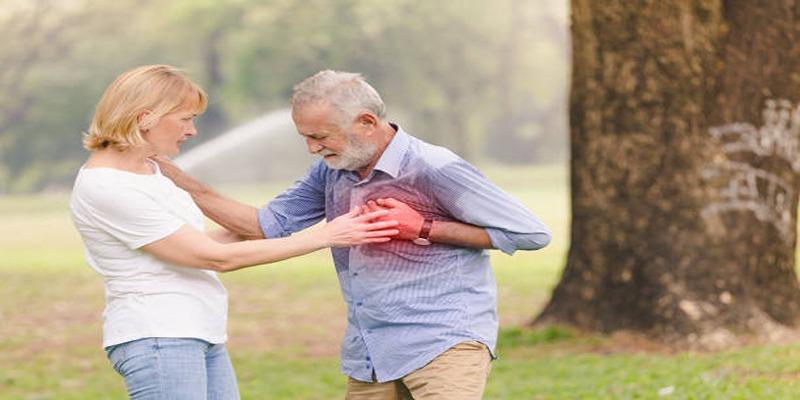
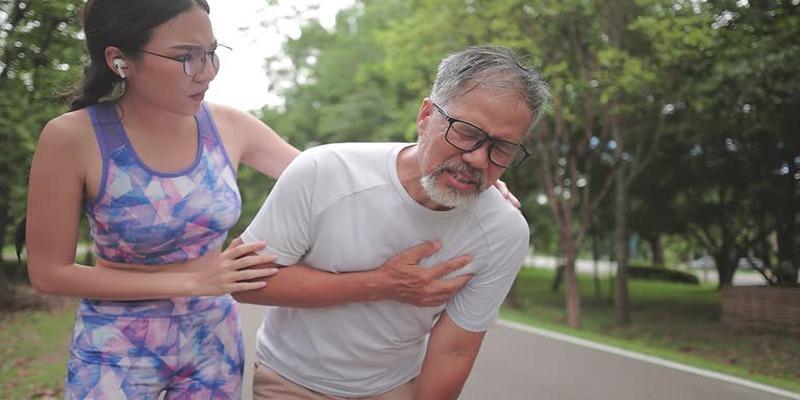
The signs of another heart attack may help you save your life. Not all warnings are identical, and procrastination to act may be disastrously expensive. It is all about being sensitive to minor changes in your body. The most common red flags are chest pressure, shortness of breath and radiating pain in the arm or jaw.
Most women have less noticeable symptoms such as indigestion-like pain, dizziness or unusual fatigue, may also interpret that something wrong happened. These symptoms may also be similar to stress or fatigue, but they must be addressed immediately.
The Emotional Side of Recovery
Receiving physiological healing is not the only way to recover, rekindling confidence and overcoming fear is also crucial. Some humans live in constant fear of a heart attack happening at any given time. Working on emotional health will keep you dedicated to long-term recovery.
It is expected that one gets anxious after a heart attack, but uncontrolled anxiety may elevate anxiety levels and may strain the heart. Being able to express these feelings openly to friends or a therapist makes you feel much healthier in controlling your emotions.
Patients who are in structured programs with intent of gaining strength are offered the combination of exercise, counseling, and education. Rehab does more than just make a person physically tougher, they offer emotional care in the recovery process.
Creating a Long-Term Plan
Structured flexibility is necessary in the lifestyle to prevent another heart attack. Having a good long-term strategy helps an individual remain consistent but adjust to the changes of life. These routines are reinforced by family engagement and professional direction.
Get into routines that might last years rather than quick fixes. Even simple interventions like cooking the foods at home or finding time to go on personal walks will help dramatically.
Patients will remain motivated when their family members are involved in changing their lifestyles. Family members are able to promote healthier eating habits, participate in physical activity, and offer emotional support.
The Importance of Follow-Up Tests
Considerable evaluations at regular check-ups give a good idea about the status of your heart recovery. These healthcare check points facilitate the detection of issues early enough, before they escalate into an issue, which is reassuring and results in a superior outcome.
Echocardiograms, blood tests, and stress tests are some of the tests that help the doctors assess the performance of the heart. They can also be used to show whether medicines or a change in lifestyle is producing the desired effect.
Conclusion
A second heart attack isn’t inevitable, it’s preventable with the right approach. By combining medical care, healthy habits, emotional support, and continuous learning, you give yourself the best chance of living a long and fulfilling life. Listen to your body, stay consistent, and remember that every positive step adds up to stronger protection.