Have you ever noticed small lines or grooves on your nails? You’re not alone. Fingernail ridges are frequent and usually not harmful, but they might also mean your body needs attention. These little lines may not seem like a big deal, but they can tell you a lot about the health of your nails and your general health.
Many people ignore them until they become more apparent, deeper, or even painful. The good news? You can naturally treat and minimize ridges by taking proper care of them. This article for beginners will explain what creates these ridges and how to reduce or eliminate them using basic, everyday habits. Every little thing you do to improve your nutrition or add simple nail care habits helps.
What Are Fingernail Ridges?
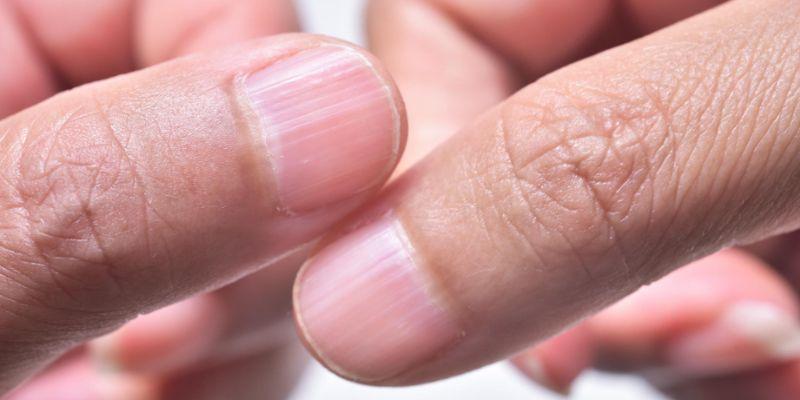
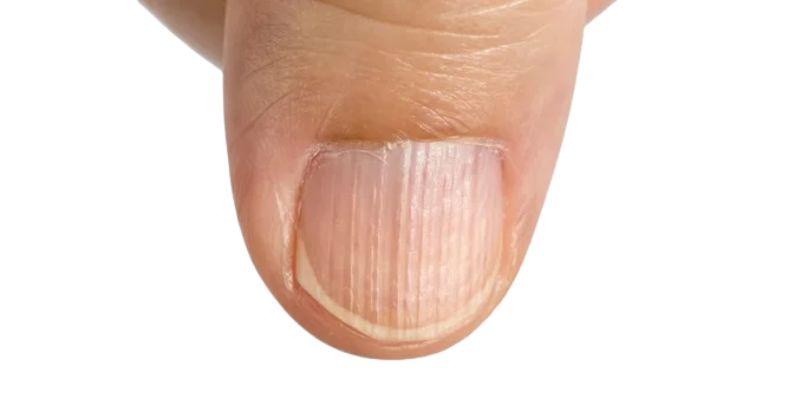
Ridges on your fingernails are elevated lines that appear on the surface of your nails. They might go up and down from the cuticle to the tip or across the nail. Most of the time, vertical ridges are a natural part of the aging process. These ridges may appear as thin lines and typically don’t cause concern. But horizontal ridges, which are also known as Beaus’ lines, could signify something more serious.
These lines generally appear after you are sick, hurt, or stressed, either physically or emotionally. Sometimes, ridges are normal and don’t mean anything bad. But if they are deep, wide, or arise out of nowhere, they could be a sign of a health condition. If you pay great attention to your nails, you’ll know what’s normal and what’s not. The first step to better nail health and care is learning how to see ridges on your nails.
What Causes Fingernail Ridges?
Fingernail ridges can be caused by several things, depending on your age, health, and way of life. One of the most common causes, especially for vertical ridges, is aging. That is because the body produces fewer nail cells as it ages. The nail can also dry out and develop ridges due to not drinking enough water, dry air, or frequent hand washing. Nails may become weaker and change texture if you don’t get enough iron, biotin, zinc, or protein.
Trauma to the nails can halt normal growth, such as hitting, biting, or getting a rough manicure. Ridges, especially horizontal ones, can also be caused by infections or long-term disorders, such as diabetes, eczema, or thyroid problems. Stress, medications, or recent surgery can all change how your nails grow. Finding out the actual cause makes it easier to cure ridges. It could be due to better nutrition, increased water intake, or a trip to the doctor for additional tests.
Daily Nail Care to Reduce Ridges
Over time, good daily routines can make your nails smoother and less ridged. First, use hand cream or cuticle oil every day to keep your nails and cuticles soft. When your nails are dry, they are more prone to ridges and are more likely to break easily. To avoid chemical harm, use non-acetone polish removers and wear gloves when cleaning or washing dishes. To keep your nails smooth, trim them often and file them with a soft file.
Avoid biting or picking at your nails, as this can damage the nail bed and exacerbate ridges. You can also use a moderate nail buffer to smooth out vertical ridges, but be cautious not to overuse it, as this can weaken the nail. Don’t use your nails to open stuff. Taking care of your nails daily helps make them stronger and healthier. If you keep doing this, your nails will feel better and look smoother, with less obvious ridges.
Improve Your Diet for Healthier Nails
The health of your nails is significantly influenced by what you eat. Your nails require specific nutrients to grow strong and smooth, and a balanced diet provides them with these essential nutrients. You need biotin, which can be found in foods such as eggs, nuts, seeds, and whole grains. Iron is also vital. If you don’t get enough of it, your nails may become brittle or develop ridges. Include extra lentils, leafy vegetables, and red meat in your meals.
Your nails are formed of keratin, which is a type of protein, so protein is very important. Adding chicken, tofu, lentils, or dairy to your diet can help your nails stay strong. Zinc and omega-3 fatty acids are also beneficial for your nails, as they help keep them flexible and moisturized. Salmon, avocados, flaxseeds, and chickpeas are all good for you. Drinking a lot of water also helps keep your nails hydrated. A healthy diet is a natural and effective way to reduce nail ridges, especially when combined with proper nail care and a healthy lifestyle.
Supplements for Nail Ridges
If your diet doesn’t include enough of the nutrients your nails need to grow, supplements can help. Biotin is one of the best supplements to take if your nails are brittle or have ridges. Many people notice that their nails become stronger after using it for a few weeks. B-complex, iron, and zinc multivitamins also help repair and develop nail cells. Your doctor may recommend taking an iron supplement if your iron levels are low. Fish oil and other omega-3 supplements can help keep nails moist and less dry.
People also like collagen supplements because they help strengthen and improve the health of their nails. Before taking any new supplements, consult your doctor to ensure they won’t cause any adverse effects. Supplements aren’t a quick fix, but they can help fill nutritional gaps over time. When used in conjunction with proper nail care and a balanced diet, they can help smooth out ridges and enhance the overall appearance of the nails.
Conclusion:
Even though they look small, fingernail ridges can tell you a lot about your health. Most of them are not dangerous, especially the vertical ridges that emerge with age. However, some ridges may indicate that you aren’t getting enough nutrients or that you have a health issue. Taking care of your nails every day, eating a balanced diet, and using the correct supplements can help reduce ridges over time. Focus on gentle grooming, hydration, and nourishing diets rich in biotin, iron, and protein. Avoid harsh products and damaging habits.