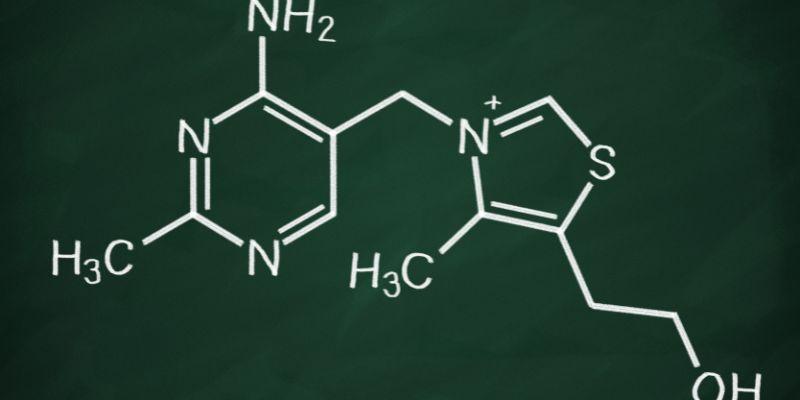
Vitamin B1, or thiamine, is important for making energy and keeping your neurological system healthy. Adults require a certain amount of thiamine every day to keep their brains, hearts, and muscles working. Not getting enough of this vitamin can cause several health problems. Symptoms may begin as minor but can quickly worsen if ignored.
You might feel weary, have mood changes, or feel a strange tingling in your hands and feet. Some symptoms can also affect your memory and heart. It's important to recognize these indications early on to avoid long-term harm. This guide will help you spot the different signs that you may be lacking thiamine. Let's look at how this deficiency appears in adults in different ways.
The Symptoms Of A Thiamine Deficiency
Here are the different symptoms of thiamine deficiency explained in simple terms to help you understand their effects.
Fatigue and Weakness
Constant weariness is one of the first signs. You might still feel tired after resting. It happens because your body has difficulty converting food into energy. Weak muscles are common after that, which makes everyday duties difficult. You might notice that you tire more easily when you exercise. Weakness may start in the legs and slowly move to other parts of the body. It can make it hard to keep your equilibrium and move around. Your body doesn't have the strength it requires if you don't get enough thiamine. Feeling tired and weak are unmistakable symptoms that something is wrong.

Tingling and Numbness
When you don't get enough thiamine, it can disrupt your nerve system and make you feel tingly. People often feel this in their hands and feet. You might also feel numb, which makes it impossible to feel temperature or touch. These signs mean that nerve damage is starting to happen. Numbness might get worse with time and make it hard to walk. Some folks say their arms and legs feel like they're on fire or are very painful. Peripheral neuropathy is the name for this condition. It can make it hard to do everyday things and lower your quality of life. Fixing the problem early can help repair nerve damage.
Loss of Appetite and Weight Loss
A considerable loss of appetite is another sign. You might not want to eat even when you're hungry. Over time, this can cause you to lose weight unintentionally. The deficiency gets worse if you don't eat well. You can feel weak and have trouble concentrating when you lose weight. Sometimes, nausea or vomiting happens, which makes people eat even less. These intestinal issues make it hard to regain your strength. Getting back to normal levels of vitamin B1 helps enhance health and get back your appetite.
Mood Changes and Irritability
A lack of thiamine might make you feel bad because it helps keep your brain healthy. You might be more angry or agitated than normal. Some people have mood swings a lot or are more sensitive to stress. When thiamine levels are low, depression is also common. These mental symptoms could show up before the physical ones become severe. After that, people often have trouble concentrating, remembering things, and being confused. These changes can get worse and lead to more serious mental health problems if they aren't handled.
Coordination and Balance Problems
As the shortage gets worse, it may damage your balance and coordination. You might have trouble moving around or fall a lot. It happens when the impulses that nerves send to muscles are messed up. It can be hard to walk, and even routine tasks may take more work. Some adults say they have tremors or muscles that move on their own. These signs frequently mean that a lot of nerves are involved. To stop more damage from happening, you need to get medical help right away. Taking thiamine supplements usually helps with coordination if you start them early.
Vision Problems
A lack of thiamine might also hurt your eyes. You might have trouble seeing clearly or focusing. Nystagmus is when your eyes move involuntarily. Another possible sign is seeing double. These difficulties happen because the nerves that control eye movement get damaged. Confusion and trouble with balance sometimes come with eye problems, which might be an indication of a major problem. If eyesight problems aren't treated right away, they can get worse and last forever. If given early, intravenous thiamine can typically help the eyes work normally again.
Rapid Heartbeat and Swelling
A fast or irregular heartbeat can also mean that you don't have enough thiamine. This symptom happens because the heart has to work harder when it doesn't have enough energy. Later, the legs, feet, or hands may swell. Edema is the name for this swelling, which happens when fluid builds up in tissues. These signs all point to your heart being under stress. It is a symptom of wet beriberi, which is a severe form of insufficiency. You can also have trouble breathing and pain in your chest. You need to see a doctor right now to stop heart failure.

Confusion and Memory Loss
A lack of thiamine can cause confusion and forgetfulness. You can have trouble focusing or remembering simple things. Wernicke's encephalopathy is a devastating brain condition that causes these symptoms. If you don't address it, it can get worse and turn into Korsakoff syndrome, which causes severe memory loss. Changes in behavior may also happen, including becoming apathetic and confused. You need to see a doctor right away if you have these neurological symptoms.
Conclusion:
A lack of thiamine can influence various parts of the body, including your energy levels and the function of your brain and heart. Early warning signs include tiredness, tingling, mood changes, and vision problems. If you ignore them, they can cause serious problems like wet beriberi or Wernicke's encephalopathy. Most symptoms get better rapidly with early detection and the right therapy. Eating a lot of vitamin B1 and getting regular checks can help stop this shortage. Staying away from excessive drinking and taking care of your health also lessens your risk.