Paris may be a city celebrated for grand boulevards and iconic monuments, but its soul resides in its neighborhoods. One of the most stylish and character-rich among them is Le Marais — a walkable labyrinth of cobbled streets, artistic storefronts, boutique-lined alleys, and beautiful public squares. Known for its effortlessly fashionable atmosphere and vibrant cultural fabric, Le Marais has become a favorite for travelers seeking something beyond the typical tourist trails.
Positioned across the 3rd and 4th arrondissements, Le Marais exudes a balance of refined elegance and modern creativity. It's a neighborhood where one can spend an entire day — or a week — wandering from one discovery to the next. Whether it’s browsing minimalist boutiques, savoring artisan pastries, or exploring small art museums, Le Marais offers an experience curated for lovers of style, design, and slow-paced urban exploration.
How to Reach and Navigate Le Marais?
Despite its central location in Paris, Le Marais remains somewhat tucked away from the city's major transportation arteries. Its winding medieval streets, largely untouched by the grand reconfigurations of 19th-century urban planning, create a charming puzzle best enjoyed on foot.
By Metro:
The easiest point of entry is Saint-Paul Station on Line 1, which drops visitors near the heart of the district. Alternative access points include Arts et Métiers and République, depending on one's starting location. Travelers arriving from Charles de Gaulle Airport can take the RER B train to Châtelet-Les Halles and transfer to Line 1.
By Bicycle:
Cycling into Le Marais along rue de Rivoli can be an efficient option. However, the narrow streets and frequent foot traffic may make walking a more enjoyable experience for first-time visitors.
On Foot:
The most immersive way to experience Le Marais is on foot. Nearly every block presents something unexpected — be it a tucked-away art studio, a hidden courtyard, or a tiny gallery. Walking allows visitors to appreciate the subtle architectural details and ever-changing window displays that define the neighborhood’s aesthetic charm.
Where to Stay: Comfortable Retreats in a Stylish Setting
Accommodation in Le Marais reflects the neighborhood’s fashionable reputation. While luxury dominates, there are still appealing mid-range and budget-conscious options for those who plan.
Budget Stay – MIJE Fourcy:
This youth hostel is located inside a 17th-century mansion and offers clean, modest rooms at an accessible price point. Breakfast is included, and its location is ideal for those wanting to stay centrally without overspending.
Mid-Range Comfort – Hotel Sookie:
Sustainability meets contemporary comfort at this boutique hotel, complete with modern design, curated music, and eco-friendly products. Its tranquil lounge and minimalistic rooms provide a perfect base for a relaxed stay.
High-End Style – Hôtel du Petit Moulin:
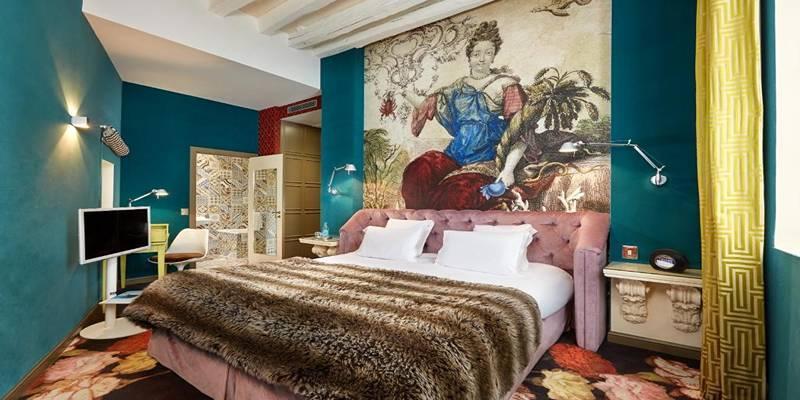
A true design-lover’s delight, this luxury hotel is hidden behind a preserved old bakery façade. Each room features a unique design, curated by renowned fashion designer Christian Lacroix. Staying here feels like living inside a wearable art piece.
Where to Eat: From Breakfast to Evening Fare
Le Marais is a culinary delight for those who appreciate artisanal food, local cafés, and pastry perfection. The dining scene favors creativity, quality, and presentation, and it does so with unmistakable Parisian charm.
For Breakfast or a Light Start:
Moon Croissant specializes in its namesake pastry, reimagining the classic with inventive fillings. It’s a popular stop for those wanting to begin their day with something sweet. Nearby, Keili offers a fresh, vegetarian menu served in a bright café environment — ideal for those seeking a health-conscious start to their exploration.
For a Midday Treat:
Pastry shops like Brigat’ and Yann Couvreur offer indulgent delicacies such as tiramisu, mille-feuille, and fruit tarts. Many visitors opt to take their treat to Place des Vosges, where they can enjoy it on a park bench surrounded by beautiful 17th-century architecture.
For a Satisfying Lunch or Dinner:
Carré Pain de Mie has gained a loyal following for its soft, fluffy sandwiches and the much-loved croque monsieur. For Japanese-inspired comfort food, Pontochoux serves homemade curry dishes in a compact and warm setting. Those interested in French cuisine can opt for Bistrot des Tournelles, which offers classic dishes like roasted meats and traditional desserts.
What to Do: Cultural Exploration and Artistic Discovery
Le Marais is a haven for cultural travelers. It is home to numerous small museums, independent galleries, and artistic installations — all quietly situated amid stylish buildings and leafy courtyards.
Museums to Explore:
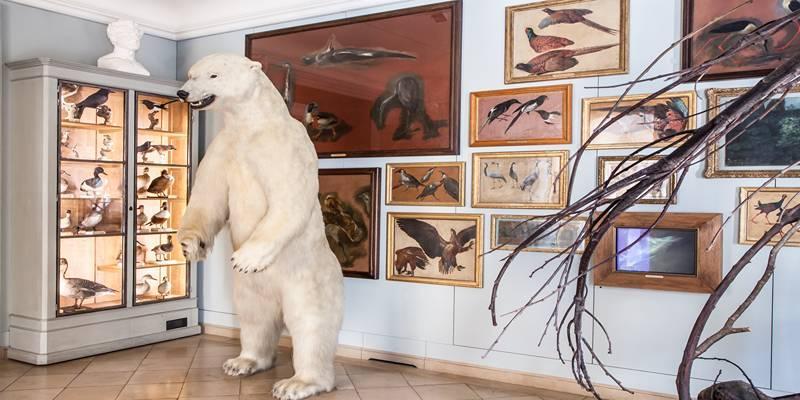
The Musée de la Chasse et de la Nature offers a deeply artistic and thought-provoking exploration of the relationship between humans and animals. It’s an unexpected gem that often surprises visitors with its design and depth.
Close by, the Maison de Victor Hugo provides a literary experience inside the former residence of the famous writer. Personal artifacts and period interiors tell the story of a creative life once lived in these very rooms.
Street Art Walks:
Le Marais is also a hotspot for urban art. Works by the internationally known artist Invader can be spotted high on walls throughout the neighborhood. His distinctive mosaic pieces are a playful part of the streetscape. Enthusiasts can use the Flash Invaders app to catalog their discoveries and deepen their engagement with the art form.
Architectural Strolls:
Beyond museums, visitors can walk through areas like Village Saint-Paul or rue des Jardins Saint-Paul to see preserved medieval walls, quiet courtyards, and centuries-old homes. The district maintains a deep sense of place, even as its storefronts and displays evolve with each passing year.
Conclusion
Le Marais is a neighborhood that reveals Paris at its most refined and expressive. From its elegantly aged architecture and boutique-lined streets to its artisan cafés and hidden courtyards, every corner invites exploration. It offers a version of Paris where culture and creativity intersect with daily life, where visitors can slow down, appreciate detail, and discover beauty not just in museums or galleries, but in the texture of the streets themselves.