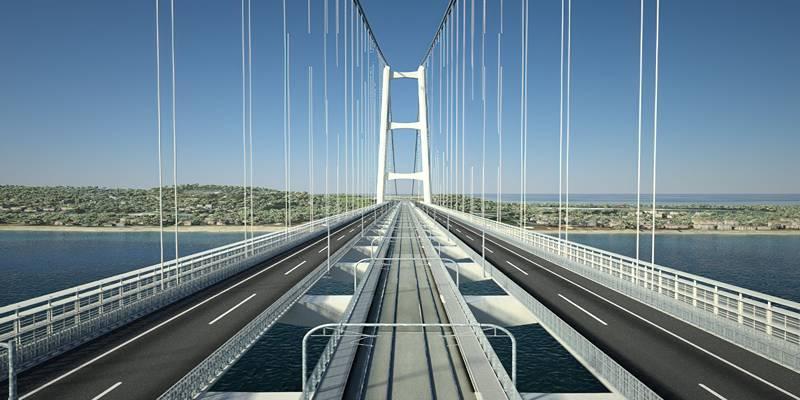
The long-discussed bridge connecting mainland Italy to the island of Sicily is no longer just a concept—it's officially happening. The Italia has given the green light to construct the bridge over the Strait of Messina, marking a significant milestone in the country's infrastructure plans. This ambitious project is expected to transform connectivity in southern Italy and reshape regional transportation for generations to come.
The bridge will link Villa San Giovanni in Calabria with Messina in northeastern Sicily, crossing one of the most challenging stretches of water in Europe. At its narrowest, the Strait of Messina is just over 3 kilometers wide, but the engineering requirements are anything but simple. Nonetheless, Italian authorities have confirmed that funding, design approvals, and timelines are now in motion, signaling that construction will soon begin.
Final Approval and Commitment
Following years of proposals, debates, and technical revisions, the Italia has now finalized its decision to move forward with the project. According to official sources, the final planning committee meeting will take place on August 7, where the comprehensive plan will be ratified. Once approved, this will unlock the full construction schedule.
Italian Prime Minister Giorgia Meloni’s administration has allocated €13.5 billion to the project, underlining its importance to the country’s long-term infrastructure strategy. The decision follows a 2023 decree that set the foundation for renewed momentum on the bridge, coupled with strategic cooperation from European Union institutions.
In October 2023, a funding agreement was signed between Società Stretto di Messina (the bridge’s construction company) and the Climate, Infrastructure and Environment Executive Agency of the European Commission. The EU has agreed to co-finance up to 50 percent of the executive design costs for the rail component, amounting to about €25 million.
An Engineering Feat in the Making

Once completed, the bridge will stretch 3,600 meters, making it the longest suspension bridge in the world. Its design incorporates not only cutting-edge engineering but also resilience against the region’s natural challenges. The area is known for its seismic activity and strong coastal winds, both of which have been factored into the structure’s blueprint.
The bridge is designed to withstand earthquakes up to magnitude 7.5 and wind speeds reaching 186 miles per hour. These specifications reflect Italy’s commitment to safety, sustainability, and engineering innovation. The structure will feature six lanes for vehicular traffic and dual rail lines, dramatically improving the movement of both passengers and freight.
Not only will the bridge enhance direct road and rail access, but it’s expected to reduce travel time significantly. Currently, ferries serve as the main connection between the island and the mainland, which are often subject to delays due to weather and capacity issues. The bridge will provide a fixed, reliable link that operates year-round without interruption.
Project Timeline and Expectations
While the bridge has now been approved, the construction process will span several years. According to projections, the bridge is expected to be completed by 2032, provided that all phases of design, environmental approval, and engineering proceed as planned.
The long timeline is largely due to the complexity of the project. Engineers must conduct extensive site preparation, geotechnical analysis, and material testing before work on the main structure begins. Additionally, supporting infrastructure—such as roads, rail extensions, and local access routes—will be developed in tandem with the bridge itself.
Italian officials have emphasized transparency and accountability in the project’s management. Regular updates on budget, milestones, and environmental compliance are expected as construction moves forward.
Economic and Social Benefits
Beyond its engineering significance, the bridge holds enormous potential for economic development and regional integration. The project is forecasted to create thousands of jobs during the construction phase and bring long-term employment opportunities in maintenance, logistics, and transport operations.
Once operational, the bridge will provide direct access to Sicily for both residents and visitors, boosting local economies by facilitating tourism, commerce, and investment. Improved logistics will also support agricultural exports and industrial goods moving between Sicily and mainland Europe.
In broader terms, the bridge is viewed as a strategic effort to close the infrastructure gap between northern and southern Italy. By improving mobility and reducing travel costs, the country aims to strengthen national cohesion and economic equity across regions.
Environmental Oversight and Criticism
Despite widespread political and public support, the project has also attracted scrutiny, particularly from environmental organizations. Concerns have been raised about the ecological impact of large-scale construction in the Strait of Messina, a region rich in marine biodiversity and sensitive coastal ecosystems.
To address these concerns, Italian authorities have committed to conducting comprehensive environmental impact assessments. These studies will guide the implementation of eco-friendly building methods and mitigation strategies to protect local habitats during and after construction.
Planners have stated that sustainability is central to the project’s ethos. Measures under consideration include the reduction of construction emissions, responsible waste management, and noise control systems during peak construction periods. The bridge’s rail component is also expected to contribute to reduced vehicular emissions in the long term by shifting more cargo and passengers onto trains.
Modernizing Transport Across the Strait
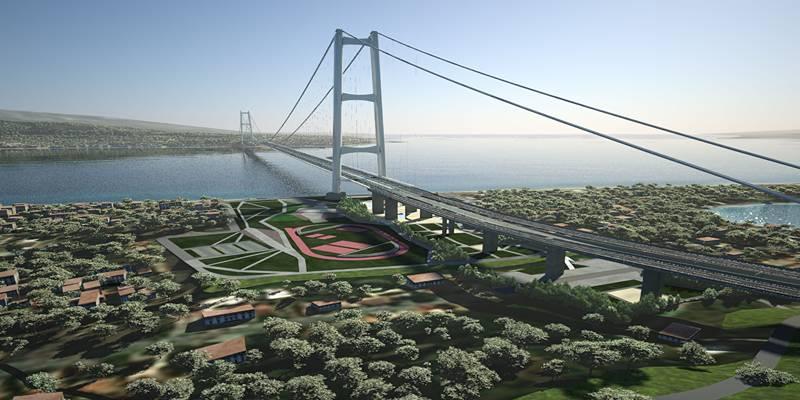
Currently, the only way to cross the Strait of Messina is by ferry, plane, or train routes that include ferry boarding for rail cars. While these methods serve thousands of passengers daily, they are often affected by weather, scheduling, and seasonal demand.
The bridge is expected to revolutionize this connection by introducing seamless, high-speed transport between Sicily and mainland Italy. The rail component, in particular, will play a key role in connecting major cities such as Palermo, Catania, Naples, and Rome more efficiently.
Conclusion
The decision to move forward with the Strait of Messina Bridge marks a defining chapter in Italy’s infrastructure future. More than just a construction project, it represents a strategic investment in national cohesion, mobility, and economic progress. With the bridge officially approved, supported by substantial funding and a forward-looking design, Italy is taking a bold step toward solving long-standing transportation challenges between Sicily and the mainland.